

By Henry Torres
Living Between Mountains, Lakes, and Loudspeakers
Dillon is many things: a lakeside mountain town surrounded by natural beauty, a summer concert destination, and home to people who’ve lived here year-round for decades. With all that comes tension. The same lake views and amphitheater stages that draw tourists also expose the clash between growth and quality of life.
What Locals are Saying
Preserving Nature and Connections
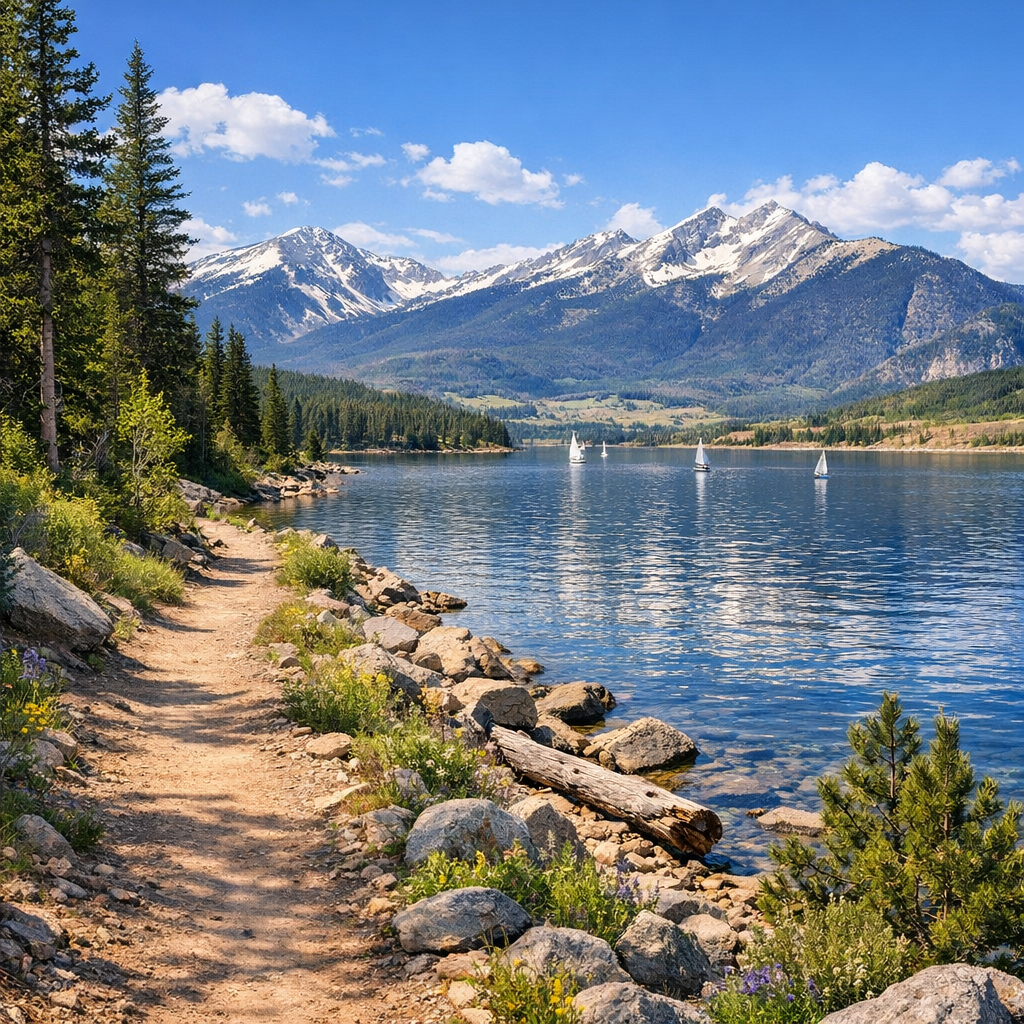
Outdoor access is central to life here. Whether it’s walking or biking the 18-mile reservoir loop, or quietly watching birds at the Nature Preserve, people say Dillon’s trails and water are what make it special.
These are not just amenities but part of our identity—something many worry could be overshadowed if development feels fast or disconnected.
Balancing Concerts and Quiet
The Dillon Amphitheater is beloved—but not by everyone. Neighbors report floors shaking during loud shows, concerns about late-night noise, and discomfort over prolonged events.
What locals seem to want is simple: consistent rules on volume and timing, clearer schedules so people can plan around sound events, and perhaps limits on repeats or back-to-back concerts.
Walkability, Local Business, and Feeling Like Home
Dillon benefits from visitors who come to kayak, shop, and enjoy restaurants. But many locals feel the downtown spread feels disjointed—some shops are hidden, signage is inadequate, and the pedestrian experience is uneven. Walkability and ease of movement (including access for residents of Dillon Ridge, Corinthian Hills, and Valley) come up over and over in community meetings.
As vacation rentals and tourism grow, full-time residents worry about cost of housing, parking burdens, and whether small businesses can afford our town’s rising price of doing business.
Vision for Dillon’s Future—What People Value Most
From community meetings and casual conversations, certain things consistently rise to the top:
- Protecting natural views, water access, trails, and dark skies
- Strong small-town character: community events, arts, traditions
- Local business resilience, with support for daily shops—not just tourism-focused businesses
- Communication and trust from town leadership, clear planning with resident input
- Walkability, connectivity, and more inviting downtown gathering spaces
Looking Ahead
Dillon doesn’t have to choose between staying quaint or embracing growth—some of the most creative ideas from residents combine both. Imagine improving signage so visitors discover hidden cafes and local art. Imagine shorter show hours or quieter sound checks so concerts happen without shaking living room walls. Imagine development that respects nature, that builds for locals as well as visitors.
These conversations aren’t easy. They involve trade-offs. But when locals and leaders meet with respect, transparency, and shared vision, Dillon’s future can hold both a vibrant visitor economy and a community that feels like—well, home.